U.K. DELIVERY £2.49, FREE FOR ORDERS OVER £25 | INTERNATIONAL DELIVERY TO OVER 50 COUNTRIES


Fungal Acne
An Introduction To Fungal Acne
Fungal acne is a common but often misunderstood skin condition that frequently gets mistaken for traditional acne. But fungal acne is not like acne at all, and this confusion is one of the main reasons many people struggle to treat it effectively.
Also known as Malassezia folliculitis, fungal acne occurs when a naturally occurring yeast on the skin begins to overgrow inside hair follicles [1]. This leads to inflammation and the formation of small bumps that can closely resemble acne. Because it looks so similar, many people spend months or even years using typical acne treatments such as benzoyl peroxide or salicylic acid, with little or no improvement.
Fungal acne can affect people of all ages and skin types. It commonly appears on the chest, back, shoulders, hairline, and face [1], and can be itchy, a key feature that helps distinguish it from acne vulgaris. Heat, sweat, humidity, friction, and certain skincare products can all create conditions that allow the yeast to thrive, triggering flare-ups.
While acne is mainly caused by blocked pores, excess oil production, and bacteria, fungal acne is linked to yeast overgrowth within the hair follicle. Treating it successfully means addressing this imbalance rather than targeting acne-causing bacteria. Understanding what fungal acne is and how it differs from other skin conditions is the first step toward managing it effectively. With the right knowledge and a suitable skincare routine, fungal acne can often be brought under control, helping to reduce flare-ups. So with that in mind, let's take a closer look at what fungal acne is, how it differs from acne vulgaris and how it can be treated.
Skincare Suitable For Fungal Acne
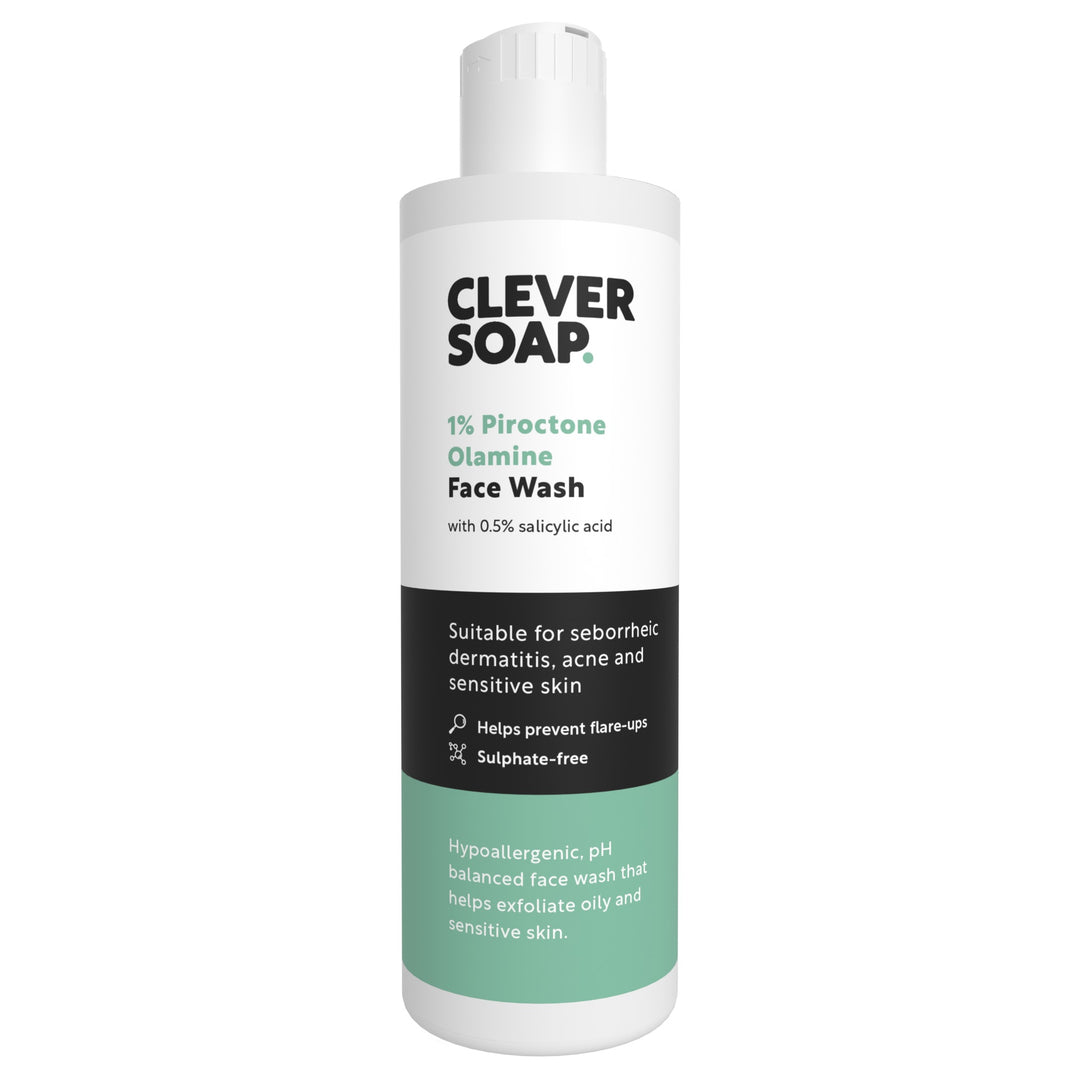
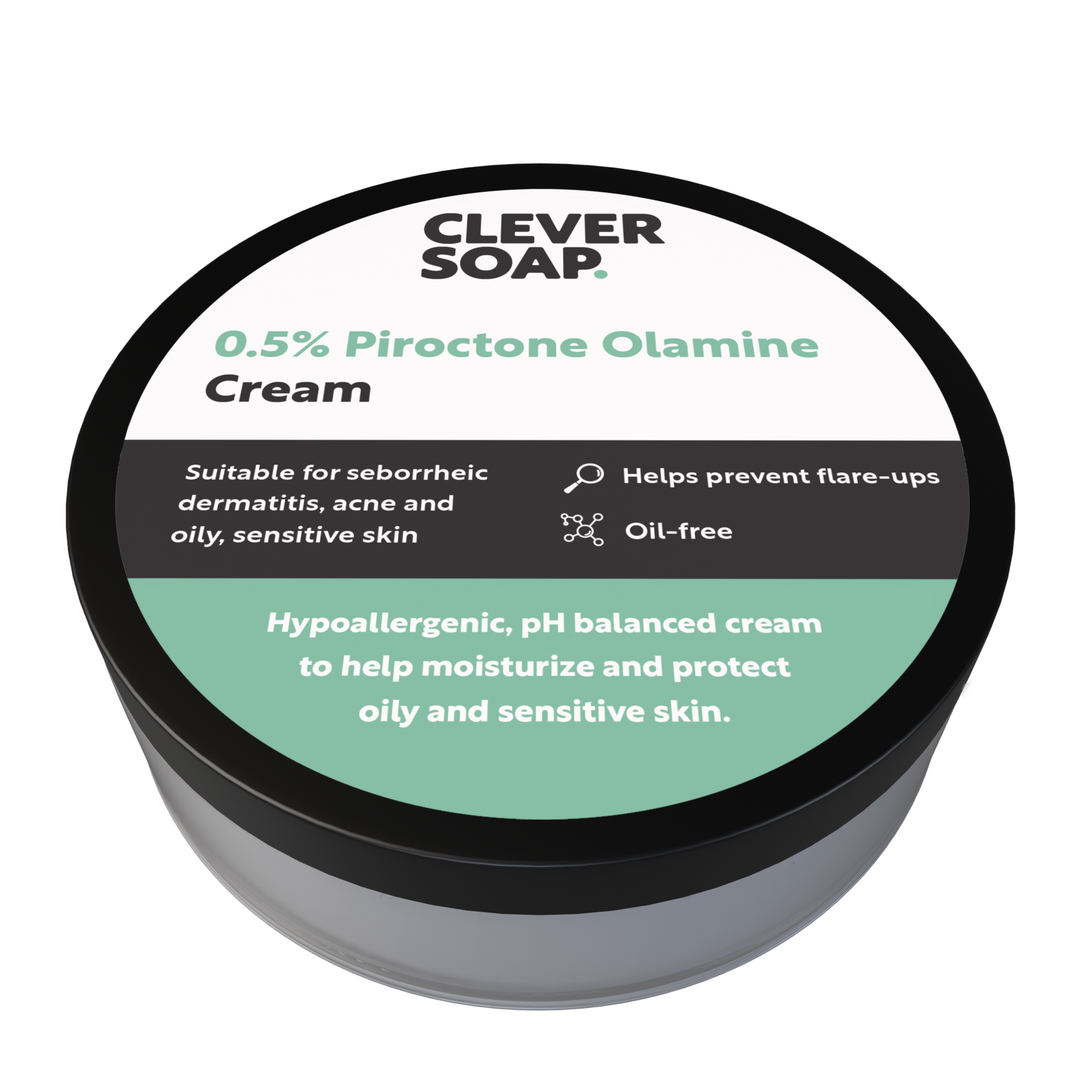
Products in our green range are formulated without Malassezia-feeding ingredients, sulphates, or fragrances.
What Is Fungal Acne (Symptoms & Causes)
Fungal acne, medically known as Malassezia folliculitis, is an inflammatory skin condition caused by an overgrowth of yeast within the hair follicles. Despite its common name, fungal acne is not a form of acne vulgaris, but it can closely resemble it in appearance, which often leads to misdiagnosis and the wrong kind of treatment.
Malassezia is a type of yeast that naturally lives on the skin of most people without causing any problems. Under certain conditions, however, this yeast can multiply excessively. When this happens, it triggers inflammation within the follicle, resulting in clusters of small bumps that resemble acne breakouts. An overproduction of Malassezia can also lead to seborrheic dermatitis.
Common Symptoms of Fungal Acne
Fungal acne typically presents as small, uniform bumps that are all roughly the same size and shape. This uniformity is one of the key features that helps distinguish it from acne vulgaris, which usually includes a mix of blackheads, whiteheads, papules, and pustules.
Common symptoms include:
- Small, flesh-coloured or red bumps
- A sudden or rapid onset of breakouts
- Itchiness, which is a hallmark symptom and far less common in acne
- Clusters of bumps rather than isolated spots
- Little to no response to standard acne treatments
Fungal acne most commonly affects areas of the body with a high concentration of hair follicles and sebaceous glands. These include the chest, back, shoulders, upper arms, hairline, neck, and face. In many cases, flare-ups worsen in warm, humid conditions or after sweating.
What Causes Fungal Acne?
Fungal acne develops when the balance of microorganisms on the skin is disrupted, allowing Malassezia yeast to overgrow within hair follicles. Several factors can contribute to this imbalance.
Heat and humidity create an ideal environment for yeast to thrive, which is why fungal acne is more common in hot climates or during warmer months [3]. Sweating can further exacerbate the condition by increasing moisture on the skin and trapping yeast within follicles.
Certain skincare and haircare products may also play a role. Rich, occlusive products can create conditions that allow Malassezia to proliferate. This does not mean that oils or emollients are inherently bad, but some individuals with fungal acne may find that specific formulations worsen their symptoms.
The use of antibiotics is another well-recognised contributing factor [1]. Antibiotics reduce the population of bacteria on the skin, which can unintentionally allow yeast to grow. This is one reason fungal acne may appear or worsen during or after antibiotic treatment for acne or other conditions.
A history of other Malassezia-related conditions, such as seborrheic dermatitis, may also increase susceptibility.
While fungal acne can be frustrating, it is important to remember that it is not caused by poor hygiene and is not contagious. Rather, it reflects an imbalance in the skin's microbiome that, once identified, can often be managed effectively with the right approach.
Fungal Acne vs Acne Vulgaris
Fungal acne and acne vulgaris can look very similar at first glance, which is why fungal acne is so commonly misidentified as traditional acne. However, despite their visual similarities, these two conditions differ significantly in their cause, symptoms, and treatment, and understanding these differences is important for effective management.
Acne vulgaris develops when hair follicles become clogged with excess sebum and dead skin cells, often alongside bacterial overgrowth and inflammation. Increased androgen levels also play a role by stimulating oil production, which is why acne vulgaris often presents itself during adolescence.

Fungal acne, on the other hand, is caused by an overgrowth of Malassezia yeast within the hair follicles. Rather than bacteria, it is this yeast-driven inflammation that leads to the characteristic bumps seen in fungal acne.
One of the most useful distinguishing features is the appearance of the lesions. Acne vulgaris typically presents as a mixture of different spot types, including blackheads, whiteheads, papules, pustules, nodules, and cysts. The lesions often vary in size and severity. Fungal acne, however, usually appears as small, uniform bumps that are all roughly the same size. These bumps tend to form in clusters rather than appearing as isolated spots and rarely include blackheads or cysts.
Itchiness is another major differentiating factor. Fungal acne is often itchy or uncomfortable, particularly when sweating or in warm conditions. Acne vulgaris is usually tender or sore when inflamed but is not typically itchy.
Acne vulgaris most commonly affects the face but can also appear on the chest and back. Fungal acne tends to favour areas with more hair follicles and moisture, such as the chest, upper back, shoulders, upper arms, neck, and hairline, though it can appear on the face as well.
Another important clue lies in how the condition responds to treatment. Acne vulgaris often improves with conventional acne treatments such as benzoyl peroxide, retinoids, salicylic acid, and antibiotics. Fungal acne typically responds poorly or not at all to these treatments and may even worsen, particularly with antibiotics. Fungal acne instead requires treatments that address yeast overgrowth.
Can You Have Both Fungal Acne and Acne Vulgaris?
Yes, it is entirely possible to have both fungal acne and acne vulgaris at the same time. This overlap can make diagnosis more difficult and may explain why some treatments appear to help certain areas of the skin but not others. In these cases, a combined and carefully balanced approach is often needed.
How To Treat Fungal Acne
Successful treatment of fungal acne should focus on reducing yeast overgrowth, minimising triggers, and supporting the skin barrier. Here we discuss some of the ways to do this.
Medical Treatments for Fungal Acne
Once fungal acne has been identified, antifungal treatments are often required. These may be prescribed or recommended by a GP or dermatologist and can include topical antifungal agents applied directly to the affected areas. These treatments work by reducing the amount of yeast within the hair follicles, helping to calm inflammation and clear the bumps. Antifungal ingredients can be found in some skincare products such as cleansers and creams, without the need for a prescription.
In more severe or widespread cases, oral antifungal medication may be prescribed for a short period. This is usually reserved for cases that do not respond to topical treatment alone and should always be taken under medical supervision. Both topical and oral antifungal treatments are generally considered effective options [3].
It's important to note that antibiotics are not effective for fungal acne and may actually make the condition worse. By reducing the population of bacteria on the skin, antibiotics can unintentionally allow yeast to grow unchecked, leading to worsening symptoms.
Skincare Routine For Fungal Acne
Skincare plays a crucial role in managing fungal acne and preventing flare-ups. Keeping the skin clean without over-cleansing is important. Furthermore, washing the affected areas once or twice daily with a gentle cleanser can help remove sweat, excess oil, and build-up without disrupting the skin barrier. Over-washing or using harsh cleansers can irritate the skin and exacerbate inflammation.
Supporting the Skin Barrier
A compromised skin barrier can make fungal acne more difficult to manage. While it may seem counterintuitive, moisturising is still important, even for oily or breakout-prone skin. The key is choosing lightweight, non-oily formulations that hydrate the skin without creating an overly rich environment that encourages yeast growth.
Stress, lack of sleep, and prolonged exposure to heat and humidity may also contribute to flare-ups. While these factors don't directly cause fungal acne, it's important to address them to give you the best chance at successful treatment.
How Long Does Treatment Take?
With the right approach, many people notice improvement within a few weeks or even less, though it may take longer. Consistency is important, and switching products too frequently can delay progress. If symptoms fail to improve or worsen despite treatment, it's a good idea to consult a GP or dermatologist.
The Fungal Acne Blacklist: Ingredients To Avoid
When managing fungal acne, choosing the right skincare products can make a noticeable difference. Unlike acne vulgaris, fungal acne is influenced by how certain ingredients interact with Malassezia yeast. Some ingredients may create an environment that allows this yeast to thrive, so some people choose to limit or avoid them to help prevent flare-ups.
It's important to note that reactions vary from person to person, and the overall formulation, concentration, and whether a product is rinsed off or left on the skin all make a difference. However, some ingredients are more commonly reported to worsen fungal acne symptoms in susceptible individuals.
Why Certain Ingredients Can Be a Problem
Malassezia yeast relies on external lipids to grow. While it cannot use all oils or fats equally, some fatty acids and esters may provide a hospitable environment for yeast overgrowth, especially when trapped within hair follicles. This doesn't mean these ingredients are inherently bad, but they may be less suitable for those trying to control fungal acne.
The Fungal Acne Blacklist
The following ingredient types are more commonly reported to worsen fungal acne symptoms so you may want to avoid them:
Long-Chain Fatty Acids (C11–C24). Malassezia is known to metabolise specific long-chain fatty acids [2], which may contribute to flare-ups in susceptible individuals. Examples include:
- Lauric acid (C12:0)
- Myristic acid (C14:0)
- Palmitic acid (C16:0)
- Stearic acid (C18:0)
- Behenic acid (C22:0)
- Lignoceric acid (C24:0)
These fatty acids are commonly found in certain plant oils and butters.
Esters Derived From Long-Chain Fatty Acids. Some esters formed from long-chain fatty acids may also be a problem for fungal acne. Examples include:
- Isopropyl myristate
- Isopropyl palmitate
- Ethylhexyl palmitate
- Glyceryl stearate
- Cetyl palmitate
- Stearyl palmitate
- Decyl oleate
- Isostearyl isostearate
Highly Comedogenic Products. While not specific ingredients, thick and lipid-rich formulations may contribute to fungal acne flare-ups by creating conditions that allow for yeast growth. This can include heavy creams, balms, or hair products. Products that are non-comedogenic may be a safer option.
Best Skincare Routine For Fungal Acne
Managing fungal acne doesn’t require a complex skincare routine. In fact, keeping things simple and gentle will often give you the best results. Remember, the goal is to reduce conditions that allow Malassezia yeast to thrive while minimizing irritation.
Morning Routine
1. Cleanse. Start the day by cleansing the affected areas with a gentle, non-comedogenic cleanser like our Piroctone Olamine Face Wash to remove sweat, excess oil, and overnight build-up. Lukewarm water is best, as hot water can increase irritation.
2. Moisturize. Even oily or breakout-prone skin can benefit from moisturizing. If your skin feels tight, dry, or uncomfortable after cleansing, apply a lightweight, non-comedogenic moisturizer like our Piroctone Olamine Cream. Hydration helps support the skin barrier and reduce irritation.
3. Sun Protection. If you’re using treatments that increase sun sensitivity or the UV Index is high, apply a sunscreen that’s non-greasy on the skin. Heavy sunscreens that trap heat and moisture may worsen symptoms for some people. Be sure to look for an appropriate UV rating as well.
Evening Routine
1. Cleanse. In the evening, cleanse again to remove sweat, sunscreen, and other build-up from the day.
2. Treat. If you’ve been advised by a GP or dermatologist to use an antifungal treatment, apply it as directed (could be day or night).
3. Moisturize (If Needed). Finish with a lightweight moisturizer if your skin feels dry or irritated. Speak to your GP if you have concerns about if or when to use a moisturizer if you have a prescription treatment as well.
Remember that fungal acne often affects the chest, back, shoulders, and upper arms, so don’t just focus on the face. Shower after sweating or exercising and change out of damp clothing as soon as possible and avoid tight fabrics that trap moisture.
Skin Conditions Often Confused With Fungal Acne
Because fungal acne closely resembles several other skin conditions, it can be misidentified. Understanding the key differences can help you find the right treatment.
Fungal Acne vs Acne Vulgaris
As we mentioned earlier, fungal acne and acne vulgaris are often confused due to their similar appearance, but their causes and required treatments are very different. Acne vulgaris is caused by clogged pores, excess oil production, bacteria, and inflammation. It usually presents as a mixture of blackheads, whiteheads, papules, pustules, nodules, or cysts, and lesions often vary in size. Fungal acne tends to appear as small, uniform bumps instead that are often itchy and clustered together. It often won't respond to standard acne treatments.
Fungal Acne vs Seborrheic Dermatitis
Seborrheic dermatitis and fungal acne are closely related, as both involve Malassezia yeast. However, they affect the skin in different ways. Seborrheic dermatitis mainly affects the surface of the skin, leading to redness, flaking, and greasy or scaly patches, most commonly on the scalp, eyebrows, sides of the nose, ears, and chest. Fungal acne affects the hair follicles, resulting in small inflamed bumps rather than flaky plaques. It's also possible to have both conditions at the same time, which can make symptoms more confusing.

Fungal Acne vs Heat Rash
Heat rash occurs when sweat ducts become blocked, leading to small red or clear bumps, often in hot and humid conditions. It usually affects areas where sweat becomes trapped, such as the chest or back. Unlike fungal acne, heat rash usually goes quickly once the skin is cooled and kept dry. It is not caused by yeast overgrowth and does not usually last for more than a few hours or days.
Fungal Acne vs Keratosis Pilaris
Keratosis pilaris is a common, harmless skin condition caused by a buildup of keratin in hair follicles. It presents as small, rough bumps and commonly affects the upper arms, thighs, and buttocks. Although keratosis pilaris can resemble fungal acne, it is usually not itchy.
Fungal Acne vs Bacterial Folliculitis
Not all folliculitis is fungal. Bacterial folliculitis is caused by bacteria infecting hair follicles and can present as red, inflamed bumps or pustules that may be tender or painful. The distinction is important because bacterial folliculitis may respond to antibiotics, whereas fungal acne will not.
If you're unsure about what skin condition may be affecting you, be sure to consult with a healthcare professional such as your GP or a dermatologist.
Common Myths And Misconceptions About Fungal Acne
Fungal acne is often misunderstood, so below are some of the most common myths surrounding fungal acne, along with the facts to help clear things up.
Fungal Acne Is Caused by Poor Hygiene
Not true. Fungal acne is not caused by dirty skin or a lack of washing. Malassezia yeast naturally lives on the skin of most people, and flare-ups happen when conditions allow it to overgrow, not because the skin is unclean.
Fungal Acne Is Contagious
Not true. Fungal acne is not contagious and cannot be spread from one person to another.
Fungal Acne Is Just a Type of Acne
Not true. Despite the name, fungal acne is not a form of acne vulgaris. It’s caused by yeast overgrowth rather than bacteria.
You Shouldn’t Moisturize If You Have Fungal Acne
Not true. Thick, heavy moisturizers that are rich in lipids may make the condition worse, but it’s still important to keep the skin healthy and moisturized, so instead use a lightweight, non-comedogenic moisturizer.
Fungal Acne FAQs
What exactly is fungal acne?
Fungal acne is the common name for Malassezia folliculitis, a condition caused by an overgrowth of yeast within the hair follicles. Despite its name, it is not a form of acne vulgaris and requires a different treatment approach.
How can I tell if I have fungal acne or regular acne?
Fungal acne usually presents as small, uniform bumps that often appear in clusters and are often itchy. It can affect the chest, back, shoulders, hairline, and the face. Acne vulgaris usually involves a mix of different spot types, such as blackheads, whiteheads, and inflamed pimples, and is rarely itchy.
Can I have fungal acne and acne at the same time?
Yes, it's possible to have both fungal acne and acne vulgaris at the same time, which can make treatment more difficult, as each condition responds to different treatments.
Does diet affect fungal acne?
There's limited evidence linking diet to fungal acne. However, factors that increase sweating, oil production, or inflammation may indirectly influence flare-ups in some individuals.

How long does it take for fungal acne to improve?
With the right approach, many people notice improvement within a few weeks, though this varies for each individual.
A Final Word On Fungal Acne
Fungal acne is a common but often misunderstood skin condition, and many people struggle with it for far longer than they need to due to misdiagnosis, as it's often thought to be acne vulgaris. Understanding that fungal acne is driven by yeast overgrowth within the hair follicles, rather than clogged pores and bacteria, is key to managing it effectively. Once fungal acne has been correctly identified, it is often easy to treat and symptoms can improve quickly.
Managing fungal acne doesn't need a complicated routine; in fact, a simple, consistent approach can really help improve symptoms and prevent future flare-ups. Persistent or severe symptoms should always be assessed by a GP or dermatologist.
References
[1] Rubenstein RM, Malerich SA. Malassezia (Pityrosporum) folliculitis. J Clin Aesthet Dermatol. 2014;7(3):37-41. PMCID: PMC3970831.
[2] Wilde PF, Stewart PS. A study of the fatty acid metabolism of the yeast Pityrosporum ovale. Biochem J. 1968;108(2):225–231. doi:10.1042/bj1080225. PMCID: PMC1198797.
[3] Chalupczak NV, Lipner SR. Malassezia Folliculitis: An Underdiagnosed Mimicker of Acneiform Eruptions. J Fungi (Basel). 2025;11(9):662. doi:10.3390/jof11090662.